Jigsaw & Letterform: Mastering the Puzzle Vector Initial J Logo
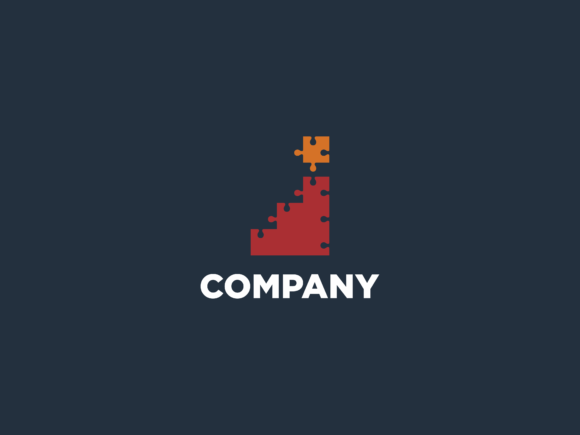
Finding the perfect visual anchor for a brand starting with the letter "J" often feels like trying to solve a riddle. You want something that conveys intelligence, connection, and structure without looking generic. This is where the concept of a puzzle vector merges with typography. By combining the familiar shape of a jigsaw piece with the strong vertical line of the letter "J," designers and business owners unlock a powerful symbol of strategy and unity. It suggests that your brand is a missing piece in a larger picture or that you are the key to solving a complex problem. The specific asset we are looking at—a high-resolution vector design available in EPS, PNG, and JPG formats—offers the flexibility needed for modern digital and print landscapes, ensuring that the "J" looks crisp whether it is the size of a billboard or a business card.
The Psychology of the Connected "J"
When you strip away the marketing noise, a logo needs to tell a story instantly. The puzzle motif is universally understood; it implies that parts fit together to create a whole. For a company, consultancy, or creative agency, this symbolism is invaluable. It speaks to teamwork, strategy, and solution-oriented thinking. However, abstract puzzle shapes can sometimes feel childish. The genius of integrating this shape into the initial letter "J" is that it retains a professional, monogram-like quality. It transforms a simple game piece into a sophisticated typographic symbol.
Consider the visual weight of this design. Often rendered in a modern, flat style, these vectors avoid unnecessary gradients that can muddy a design on mobile screens. The clean lines of the jigsaw shape allow it to function as a standalone icon—perfect for a website favicon or a social media profile picture—while the letterform ensures readability when scaled up. It is a balance of abstract art and functional graphic design.
Real-World Applications: Beyond the Letterhead
The true value of a versatile asset like the Puzzle Vector J lies in its adaptability across different media. If you are a small business owner or a content creator, you are not just designing a logo; you are building a brand identity that needs to live in many places. Here is how this specific design style translates into practical assets:
- Corporate Identity & Stationery: Because the design is vector-based, it anchors a corporate suite beautifully. Imagine this "J" embossed on a thick, textured business card or printed on the corner of a letterhead. It provides an immediate visual hook that suggests the company is organized and detail-oriented.
- Packaging Design: For products that require a touch of cleverness—think educational toys, strategy games, or even artisanal food brands looking for a "crafted with care" vibe—the puzzle shape works wonders. It can be tiled into a background pattern or used as a seal of quality.
- Digital & Editorial Layouts: In web design and editorial layouts, the symbol can be deconstructed. You might use the negative space of the puzzle piece to frame images or create unique text wrap effects in magazines and brochures. It adds a layer of visual interest that standard geometric logos lack.
- Merchandise and Apparel: A strong monogram is the backbone of merchandise. This "J" design, particularly in a single-color format, is ideal for embroidery on polo shirts, etching on glassware, or printing on tote bags. The isolated nature of the icon makes it easy to place without cluttering the product.
Technical Agility: Why File Formats Matter
A design is only as good as its technical execution. One of the most frustrating experiences for a non-designer is purchasing a graphic asset only to find it pixelates when they try to print it. The inclusion of EPS, PNG, and JPG files at 300 DPI in this package solves that problem immediately.
The EPS (Encapsulated PostScript) vector file is the master key. It allows for infinite scalability. Whether you are hiring a sign writer to paint your storefront or a printer to create a massive trade show banner, the vector file ensures the edges of the puzzle pieces remain razor-sharp. The PNG files are likely transparent, which is essential for layering the logo over different colored backgrounds or photography on your website and social media graphics. The high-resolution JPG files are perfect for quick uploads to platforms that don't support transparency or for use in presentations where file size might be a concern.
Integrating the Symbol into a Broader Visual Language
A logo does not exist in a vacuum. It needs to play nice with your typography, color palette, and imagery. When adopting a puzzle vector logo, think about how its shapes can influence other elements of your design. For instance, if your "J" has rounded connectors, your sans serif font for body copy should ideally have similar rounded terminals to create visual harmony.
This concept of "shape language" is vital for visual consistency. If the puzzle piece represents "connection," your marketing materials should reflect that. Use imagery of people collaborating. Use graphic elements that interlock. This reinforces the brand recognition you are trying to build. It moves the logo from being just a pretty picture to being the cornerstone of your marketing assets.
Strategic Pairings and Usage Tips
To get the most out of a creative font or logo mark like this, you need to consider the context of your project. Here is some practical advice for implementation:
- Contrast is King: If the puzzle logo is complex and detailed, pair it with a very clean, minimalist typeface for your headers. A geometric sans serif often works best here, allowing the "J" to be the hero while the text remains highly readable.
- Color Psychology: Puzzle pieces often evoke feelings of playfulness, but for a corporate setting, consider using a monochromatic color scheme (shades of one color) or high-contrast combinations like navy and white. This elevates the abstract design into something serious and modern.
- Whitespace Management: Because the puzzle shape has "ins and outs" (the knobs and blanks), it creates interesting negative space. Be mindful of this when placing the logo near text or borders. Give it room to breathe so the shape isn't mistaken for a printing error or visual noise.
- Scalability Testing: Before finalizing your design, print the PNG at the size of a postage stamp and the EPS at the size of a dinner plate. Ensure the "J" is legible in both extremes. This is crucial for brand identity work, as the logo will appear on everything from pens to billboards.
Ultimately, the Puzzle Vector with Initial Letter J is more than just a graphic file; it is a communication tool. It tells your audience that you are a problem solver, a connector, and a strategist. By utilizing the high-resolution files provided and applying thoughtful design principles, you can turn a simple letter into a memorable brand symbol that resonates across all your creative projects. Whether you are building a startup identity or refreshing a community group, this design offers a blend of intellectual symbolism and visual appeal that stands the test of time.