Make Your Text Pop: A Guide to Bold Editable Text Effects
Every designer, marketer, and content creator knows the struggle: you need a visual element that grabs attention instantly, but you don't have the time or budget to commission custom 3D typography for every single project. You want that polished, high-impact look that usually requires advanced software skills, but you need it to be as simple as copy-paste. This is where the utility of a specific type of design asset—often referred to as a Bold Editable Text Effect—becomes a game-changer for productivity and visual quality.
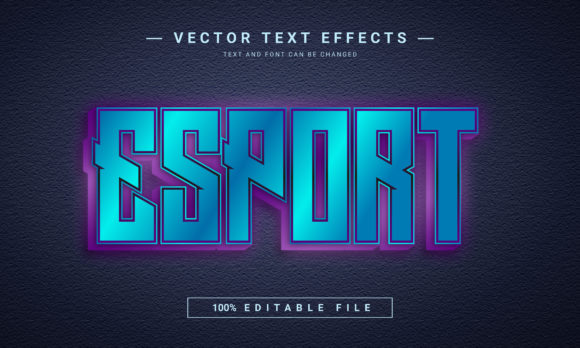
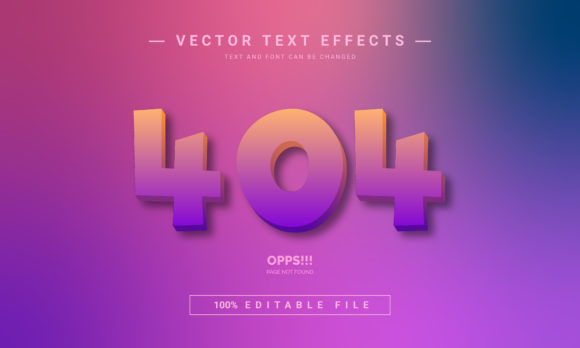
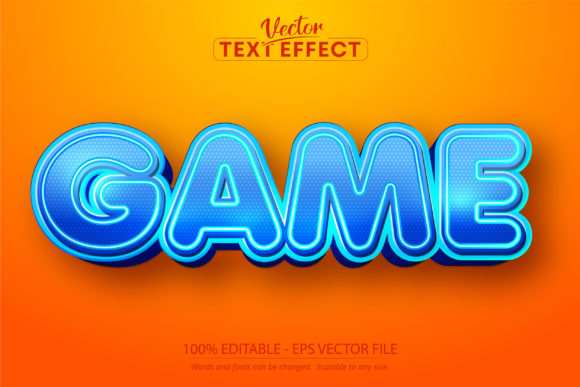
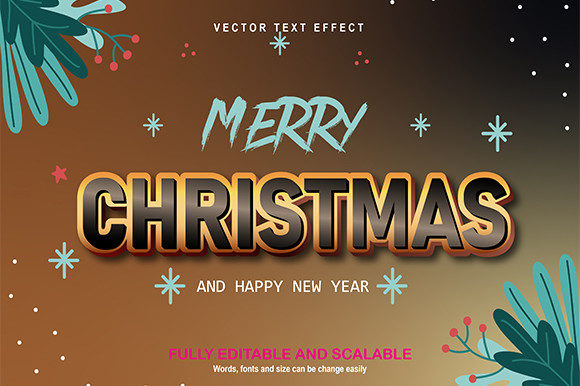
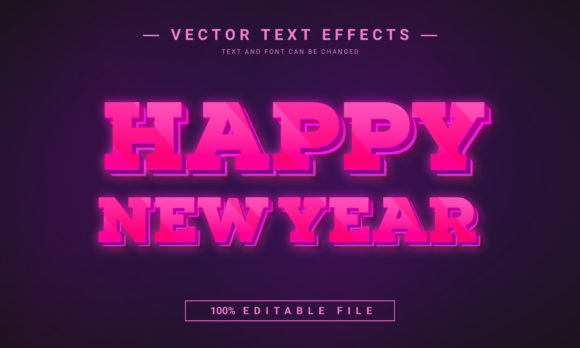
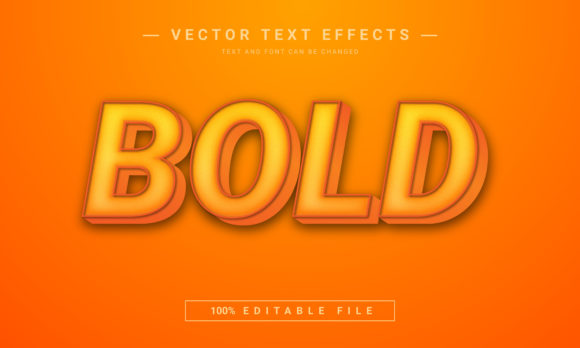
Imagine having a library of premium effects where the heavy lifting is already done. You aren't just buying a static image; you are acquiring a flexible tool. This particular 3d text effect is 100% editable. It bridges the gap between professional 3D rendering and the day-to-day needs of a busy creative workflow. Whether you are a small business owner trying to create a sale banner or a designer working on a complex brand identity, having access to a premium font treatment that allows you to simply copy, paste, or type your text saves hours of frustration. Font, Letters, Sizes, Colors can be easily changed, giving you total control over the final output without needing to understand complex lighting or extrusion settings.
Why Texture and Depth Matter in Modern Typography
In a flat digital world, depth catches the eye. We have moved past the era where simple drop shadows suffice. Modern audiences are used to high-definition media, games, and sophisticated UI design. When they see flat, uninspired text, they often scroll right past it. A Bold Editable Text Effect introduces physicality to your words. It suggests weight, solidity, and importance.
This style of modern typography works because it mimics how we perceive objects in the real world. Light hits a surface, creates shadows, and defines edges. When you apply a 3D effect to a display font, you are essentially building a miniature set for your words. This is particularly effective for headlines. If you are designing a Facebook cover or a website banner, the primary goal is to stop the user from scrolling. A textured, bold, 3D typeface commands that attention immediately.
Furthermore, this approach isn't limited to digital spaces. For physical products, the tactile feel of the design is crucial. Using these effects in packaging design can help visualize how a label might look on a shelf before it goes to print. It helps bridge the gap between a digital mockup and a physical product, ensuring that your brand identity translates well across all mediums.
Practical Applications for Every Creative Professional
The versatility of an editable text effect is its strongest asset. Because it is not locked to a specific word, it becomes a reusable component in your design assets library. Here is how different professionals can leverage this tool for maximum impact:
For Branding and Logo Design
Logos need to be adaptable, but the primary presentation—like on a website homepage or a pitch deck—needs to shine. A 3D effect can give a sans serif font or a serif font a unique personality. It helps in creating a visual anchor that makes the brand memorable. Instead of a flat logo, you can present a dynamic version for hero images that feels premium and established.
For Marketing and Social Media
Social media is a battlefield for attention. Social media graphics need to be produced quickly and must stand out in crowded feeds. Using a Bold Editable Text Effect allows you to create promotional posts, event announcements, or sale graphics in minutes. You can match the colors of the text effect to your current campaign palette, ensuring visual consistency without hiring a 3D artist for every Instagram Story.
For Publishing and Print Materials
If you are involved in editorial design or KDP paperback publishing, cover design is everything. A compelling title treatment can be the difference between a click and a scroll-by. These effects are perfect for book titles, chapter headings, or magazine covers. They add a layer of professionalism that suggests the content inside is high-quality. Similarly, for posters and invitations, the 3D effect adds a celebratory or urgent tone that flat text often lacks.
For Digital Products and Gaming
The gaming and app industries rely heavily on bold graphics. Whether you are designing assets for a mobile game or creating headers for a digital course, the "glossy," "metallic," or "stone" textures often found in these text effects add an immersive quality. They help set the mood immediately—whether that is futuristic, retro, or organic.
Streamlining Workflow with Editable Assets
One of the biggest pain points in design is the "revision loop." A client asks for a color change, and you have to go back into your source file, adjust the lighting, re-render the shadows, and export again. With a truly editable text effect, this process is simplified significantly.
Because the asset allows you to simply type your text, the heavy lifting of the 3D modeling is baked into the file structure (often as a Smart Object in Photoshop). This means changing a word from "Summer" to "Winter" takes seconds, not minutes. Changing the color scheme from blue to red is equally simple. This efficiency allows you to offer more variations to your clients or produce more content for your own channels.
This efficiency is vital for creative entrepreneurs and small business owners who wear many hats. You might be the CEO in the morning and the graphic designer in the afternoon. Having tools that simplify the technical aspects of design—like a premium font effect—allows you to focus on the message and the strategy rather than the technical execution.
Matching Typography to Your Project Goals
While having a powerful tool is great, knowing how to use it effectively is what separates amateur designs from professional ones. Here are some practical tips for integrating bold 3D text into your work:
- Context is King: A heavy 3D effect works wonders for a poster or a hero image, but it might be too busy for body text or long paragraphs. Use these effects for headlines and call-to-actions (CTAs) where impact is the priority.
- Readability Considerations: While the effect is eye-catching, ensure the underlying typeface is legible. Highly decorative or script fonts can sometimes become hard to read when heavy textures are applied. Stick to clear sans serif fonts or bold serif fonts for the best results.
- Font Pairing: If you use a bold 3D header, pair it with a clean, simple font for your body copy. This contrast creates a visual hierarchy that guides the reader's eye. For example, a textured 3D display font pairs beautifully with a clean sans-serif like Montserrat or Open Sans.
- Color Psychology: Since colors are editable, use this to your advantage. Match the text effect to the emotional tone of your project. Metallic golds and silvers suggest luxury; bright neons suggest energy and youth; matte textures suggest organic or eco-friendly themes.
Commercial Licensing and Professional Presentation
When using design assets like text effects, it is crucial to be aware of the licensing. Most high-quality assets come with a commercial license, allowing you to use the designs in products you sell—such as merchandise, digital products, or client work. However, always double-check the terms. Knowing that you have the rights to use the font commercially gives you peace of mind and protects your business.
Using high-quality assets also signals professionalism to your audience. In a crowded market, the details matter. A crisp, high-resolution 3D text effect on your website banner tells visitors that you care about quality. It builds trust before they even read your copy. It’s a subtle form of visual communication that says, "We are serious about what we do."
Ultimately, the goal of any design tool is to help you communicate better. Whether you are creating a flyer for a local event, a thumbnail for a YouTube video, or a label for a new product line, the ability to generate high-impact typography instantly is a superpower. It frees you up to focus on creativity and strategy, ensuring that your visual identity is not just seen, but remembered.