Analyze Your Game: The Chess Tactic Journal KDP Interior
For the dedicated chess player, the journey from amateur to adept is paved with countless puzzles, blunders, and hard-won insights. Yet, how often do those critical moments of tactical brilliance—or missed opportunities—fade from memory after the game ends? The difference between a casual player and a improving strategist often lies in the discipline of analysis. This is where a dedicated tool, like the KDP Interior - Chess Tactic Journal, becomes invaluable. It’s more than just a notebook; it’s a structured system for dissecting your games, cataloging patterns, and building a personal playbook of chess wisdom.
More Than Just Notation: A Visual Framework for Improvement
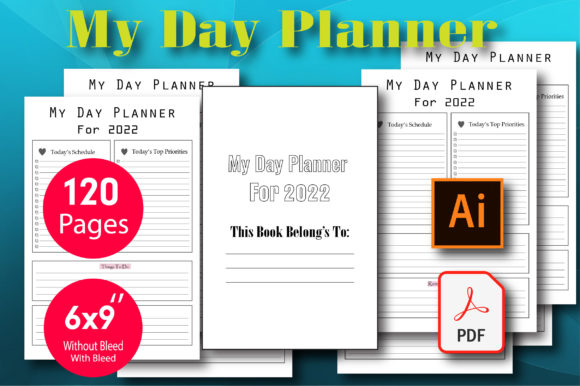
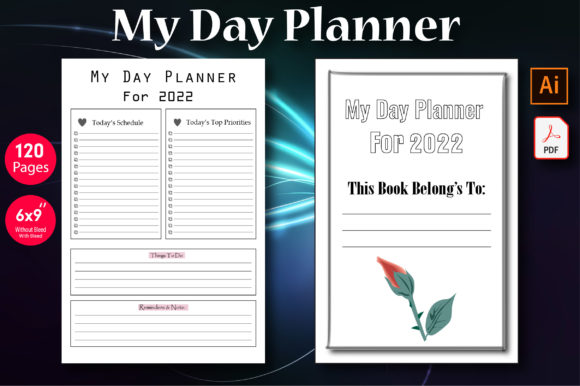
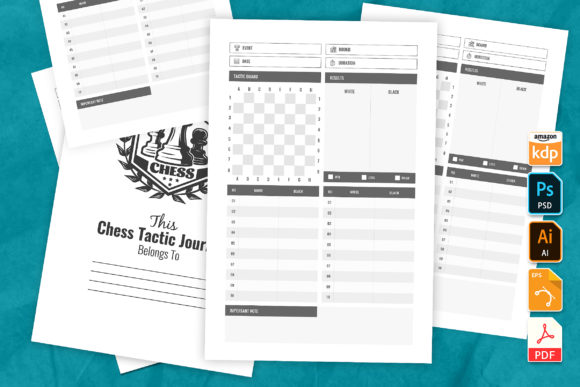
What makes a chess journal effective isn’t just blank pages—it’s intelligent design. This particular KDP interior template is crafted with the chess player’s mindset in mind. The layout provides ample, clearly defined space for recording moves, diagramming positions, and writing detailed annotations. The inclusion of a "Belongs To" page adds a personal touch, transforming it from a generic product into your dedicated analysis companion. The clean, professional design minimizes visual clutter, allowing your focus to remain squarely on the board and your thoughts. For self-publishers and content creators in the niche, this template offers a polished, ready-to-use foundation that respects the user’s need for clarity and functionality.
From Personal Tool to Published Product
The real-world applications for this chess tactic journal extend far beyond personal use. If you’re a chess coach, a club organizer, or a content creator in the strategy game space, this KDP interior template is a launchpad. Imagine publishing a series of themed journals—Opening Repertoire Notebook, Endgame Study Log, or Tournament Preparation Planner. The editable source files (.ai, .eps) give you the creative freedom to adapt the core design. You can modify the cover, adjust the interior layout to include specific prompts, or incorporate your branding. This flexibility is crucial for building a recognizable product line, establishing brand identity, and creating a valuable asset for your audience. It’s a practical application of modern typography and design thinking for a very specific, passionate market.
Design Choices That Serve the Strategist
Every design element in this interior is intentional. The popular 6 x 9 inch size is a standard for good reason—it’s portable enough for a tournament bag yet large enough for comfortable writing and diagramming. The availability of multiple page counts (50, 100, 120, 150, 200) allows you to offer products tailored to different user needs, from a compact quick-review booklet to a comprehensive annual log. The "NO BLEED" specification ensures a clean, professional finish when printed, which is a non-negotiable for anyone serious about selling quality print materials. For the end-user, this translates to a reliable, durable journal that withstands frequent use. For you, the publisher, it means fewer production headaches and a consistently professional presentation.
Building a Cohesive Brand Around a Niche
Think of this chess journal not as an isolated product, but as the cornerstone of a visual brand. The design style—clean, structured, and focused—sets a tone. You can extend this aesthetic across your entire product range and marketing materials. Use the same typographic sensibility (the Montserrat, Oswald, and Black Jack fonts mentioned for editing) in your social media graphics, blog post headers, and website banners. This creates instant brand recognition. When a chess player sees that distinct, clean layout on an Instagram post promoting a new puzzle book, they’ll immediately associate it with quality and the analytical mindset your brand represents. This is where understanding font pairing and visual consistency moves from theory to tangible business value.
Practical Steps for Launching Your Chess Publication
Ready to turn this template into your product? Here’s a practical roadmap. First, download the files and explore the editable source. Familiarize yourself with the layout and the designated areas for diagrams and text. Second, define your unique angle. Are you targeting beginners learning tactics, or advanced players refining their repertoire? Your angle will guide any customization of the prompts or sections. Third, handle the technical details. Ensure you have the required fonts installed for editing, and always generate your final PDFs from the provided source files to avoid formatting errors. Finally, write compelling product descriptions that speak directly to the pain points and goals of chess players—use keywords like "chess analysis journal," "tactic workbook," and "game improvement planner" naturally. This process blends creative design with smart publishing strategy, allowing you to create a product that is both beautiful and functionally superior.