Designing a Successful 2022 Daily Planner for Print & KDP
As the calendar pages turn, a unique opportunity emerges for designers, entrepreneurs, and creators. The mid-year point is the perfect moment to look ahead, planning products for the crucial third and fourth quarters. For those in the stationery, productivity, or digital goods space, this means one thing: it's time to start making your own planner. A thoughtfully designed daily planner is more than just paper; it's a tool for organization, a canvas for creativity, and a potentially lucrative product for platforms like Amazon's Kindle Direct Publishing (KDP).
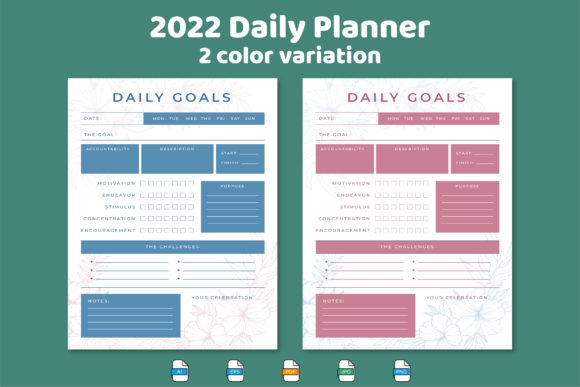
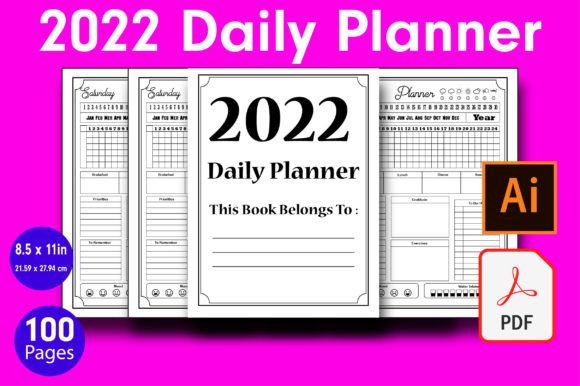
The challenge has always been the barrier to entry. Creating a professional, print-ready interior from scratch requires significant time, software knowledge, and an understanding of print specifications. This is where a foundational template becomes invaluable. Imagine having a complete, fully editable 2022 daily planner package that serves as your starting point. You're not locked into a rigid design; instead, you have a flexible framework. With just a few basic skills in a program like Adobe Illustrator, you can transform the entire aesthetic—changing colors to match a brand, swapping fonts to reflect a specific mood, and adjusting layouts to suit your target audience.
From Digital File to Tangible Product
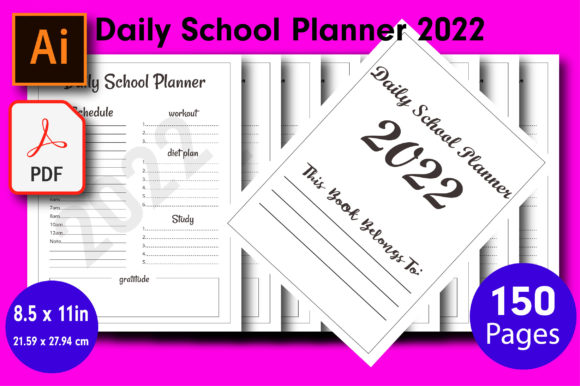
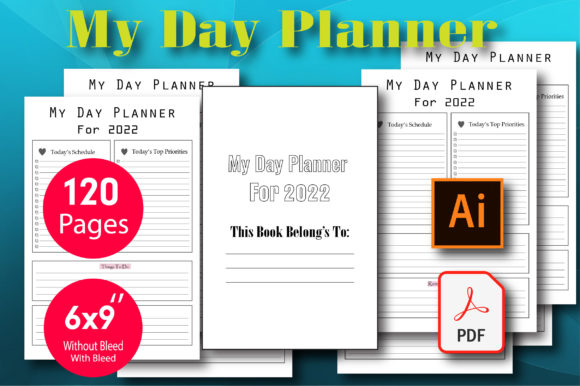
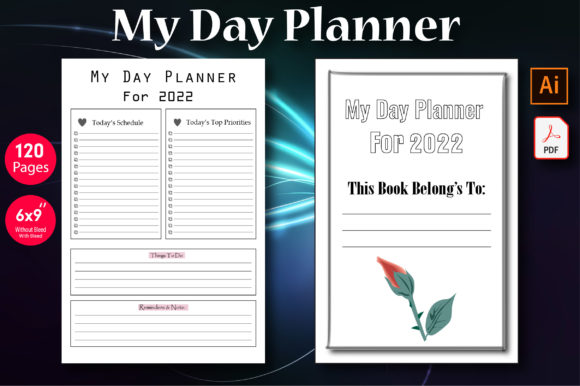
The true power of a print-ready and KDP-optimized planner template lies in its versatility. The package isn't just a single file; it's a toolkit designed for multiple workflows. A robust offering typically includes AI files for full editing control, high-resolution JPGs for quick use, and universally compatible PDFs. This multi-format approach caters to everyone from the graphic designer who wants to deconstruct and rebuild every element to the small business owner who needs a quick, reliable file for local printing.
Consider the practical applications. A life coach could customize the planner with their branding, add motivational quotes on weekly spreads, and offer it as a digital download to clients. A graphic designer could create a stunning, minimalist version to sell on Etsy, using the editable AI file to craft a unique selling point. For the KDP seller, this is a game-changer. Instead of spending weeks on interior layout, you can focus your energy on market research, cover design, and marketing—the elements that truly drive sales. The interior is handled, professionally formatted to 8.5 x 11 inch specifications, ready for upload.
Building a Cohesive Brand Identity
A planner is a powerful branding asset. The design choices you make—typography, color palette, layout style—communicate a specific message. Are you targeting the corporate professional who values clean lines and ample writing space? Or perhaps the creative artist who wants a planner filled with inspirational prompts and flexible layouts? The ability to fully edit the template allows you to align the planner perfectly with your existing brand identity or the brand you're building for this product.
This is where understanding modern typography and font pairing becomes critical. The template provides a foundation, but your customization makes it special. You might choose a clean, sans-serif font for headers to convey efficiency and modernity, paired with a highly readable serif font for body text. Alternatively, a script or handwritten font could be used sparingly for decorative elements to add a personal, approachable touch. The key is consistency. Using the same typeface family throughout creates visual harmony, making the planner feel professional and intentional. This consistency directly translates to brand recognition; a customer who loves your planner's aesthetic will begin to associate that style with your brand.
Maximizing Readability and User Experience
A planner's primary function is to be used. If the design sacrifices usability for style, it fails. This is why the included files—AI, JPG, and PDF at 8.5 x 11 inches—are so important. They are formatted to standard, user-friendly dimensions. When you edit, readability must remain your north star.
Here are a few practical considerations when customizing your 2022 daily planner:
- Contrast is Key: Ensure your chosen text colors have sufficient contrast against the background. Light gray text on a white page might look chic, but it's frustrating for daily use.
- Font Size and Spacing: While a delicate, thin font might look beautiful, it can be hard to read at small sizes. Test your edited pages by printing a sample. Are the lines for writing adequately spaced? Is the date header legible from a distance?
- Hierarchy Through Typography: Use font weight (bold, regular, light) and size to create a clear visual hierarchy. The month should be the most prominent, followed by the week, then the day. This guides the user's eye naturally through the page.
Think beyond the daily pages. A comprehensive planner often includes sections for goals, notes, monthly overviews, and habit trackers. Applying your consistent design system across all these sections elevates the entire product from a simple calendar to a sophisticated planning system. This attention to detail is what turns a one-time buyer into a loyal customer who seeks out your future products.
A Strategic Asset for Q3/Q4 and Beyond
Launching a product for the fall and holiday season requires foresight. By starting your design process in the summer, you give yourself ample time for refinement, testing, and marketing preparation. A 2022 daily planner is not just a seasonal item; it's a product with a clear lifecycle. Having it ready for the back-to-school rush in August and September, and then seamlessly into the gift-giving season in November and December, positions you to capture peak demand.
The value of this editable planner package extends far beyond a single year. The design framework you establish—the layout grid, the typographic system, the color scheme—can be adapted for future years. You're not just buying a template for 2022; you're investing in a scalable asset for your business. You can create themed versions for different niches, offer personalized covers, or bundle the planner with other digital products like goal-setting worksheets or social media content calendars.
Ultimately, this is about empowerment. Having a professional, print-ready foundation removes the biggest technical hurdle, allowing you to focus on what you do best: creating, curating, and connecting with your audience. Whether you're printing a few copies at home for personal use or building a planner empire on KDP, the tools are now accessible. Start designing this summer, and have a polished, market-ready product ready to inspire and organize your customers for the rest of the year.
[✔] For more design assets and creative tools, visit my store and follow for updates on new products.