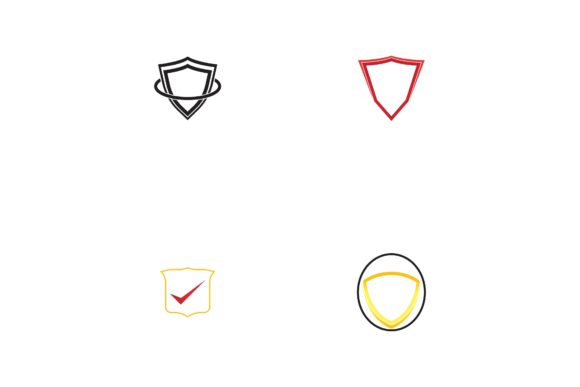
Shield Logo: The Ultimate Symbol for Security and Strength
In the crowded marketplace of ideas and commerce, standing out isn't just about being seen—it's about being remembered. The shield logo, a timeless emblem of protection and authority, offers a powerful visual shorthand for brands that want to convey trust, security, and resilience. Whether you're a designer crafting a new identity for a tech startup, a small business owner in the insurance sector, or a content creator looking for a strong visual anchor, understanding the versatility and impact of a shield-based design is crucial. It's more than just a shape; it's a narrative tool that speaks to safety, heritage, and unwavering strength.
Why the Shield Resonates: More Than Just a Pretty Picture
At its core, the shield is a universal symbol. Historically, it was a warrior's primary defense, a literal barrier against harm. This primal association translates seamlessly into modern branding. A shield logo instantly communicates concepts like protection, security, and reliability. For a cybersecurity firm, it’s a natural fit, suggesting a digital firewall. For a financial advisor, it implies the safeguarding of investments. For a family-owned business, it can represent a legacy of care and guardianship.
What makes a shield design particularly appealing is its inherent flexibility. It can be rendered in countless styles to match a brand's personality. A modern, flat design with clean lines and a single color works perfectly for a tech company or a minimalist app. A more heraldic or vintage style, complete with flourishes and a crest, can lend an air of tradition and prestige to a law firm, a university, or a high-end service. You can go abstract, using geometric shapes to form the shield, or illustrative, incorporating icons like a lock, a checkmark, or even an eagle within its frame.
Practical Applications: From Screen to Print
The true power of a well-designed shield emblem lies in its adaptability across all your marketing and design assets. It’s a workhorse symbol that maintains its integrity whether it’s scaled down for a website favicon or blown up for a trade show banner.
- Brand Identity & Logo Design: The shield serves as a fantastic primary mark or a secondary icon. It pairs beautifully with a strong, sans-serif typeface for a corporate look or with an elegant serif font for a more traditional feel. Think about how it can frame your company initials to create a memorable monogram.
- Digital Presence: On a website, a shield icon can denote a secure checkout process, a privacy guarantee, or a section dedicated to safety. In social media graphics, it can be used as a badge for awards, a "verified" symbol, or a recurring visual element that builds brand recognition.
- Packaging & Merchandise: For physical products, a shield logo on the packaging conveys quality and trustworthiness. It works exceptionally well on labels, stamps, and stickers. On merchandise like apparel, it creates a badge-like effect that feels collegiate, athletic, or professional.
- Print & Editorial Design: In brochures, annual reports, or magazine layouts, a shield graphic can act as a sophisticated frame for pull quotes, section dividers, or key statistics. It adds a layer of visual interest and reinforces the brand's core message of stability.
Design Considerations: Choosing Your Shield's Voice
Not all shields are created equal. The style you choose should align with your project's goals and audience. A shield for a sports team might feature bold colors, dynamic lines, and imagery like a sword or a flame to convey energy and competition. In contrast, a shield for a consulting or insurance company would benefit from a more restrained palette—perhaps black, white, or deep blue—and a cleaner, more geometric outline to project professionalism and calm assurance.
Pay close attention to the details within the shield's shape. The border, or frame, can be simple or ornate. The interior space is a canvas. Will you place a letter inside? An icon like a star, a diamond, or a checkmark? Or perhaps an abstract pattern that represents your industry? The choice of color is critical. Green often signals safety and growth, while red can imply passion or alertness. Blue remains a top choice for conveying trust and technology.
Integrating the Shield: Font Pairing and Final Touches
A shield rarely works in isolation. Pairing it with the right font is where the magic of a cohesive brand identity happens. If your shield is detailed and complex, balance it with a clean, simple sans-serif typeface. If your shield is minimalist and modern, you might pair it with a slightly more distinctive display font for headlines.
Always test your shield logo in various contexts. How does it look in black and white? Is it recognizable when isolated on a busy background? Does it maintain its clarity when used as a small icon in a browser tab or an application icon? Consider creating a simplified version for these use cases.
Finally, remember the power of association. A shield logo is a promise—a promise of safety, quality, and defense. It tells your audience that you are a guardian of their interests, a protector of their data, or a champion of their needs. In a world where trust is currency, the shield is an asset worth investing in.