Wolf Logo: Crafting a Visual Identity of Strength
The wolf has long captivated the human imagination, embodying a complex blend of raw power, fierce loyalty, and untamed wilderness. In the world of design, translating this powerful animal into a visual mark is more than just drawing a predator; it is about capturing a specific energy. Whether you are designing a badge for a local sports team, crafting a mascot for a hunting brand, or creating an emblem for a digital gaming league, the challenge lies in avoiding clichés while honoring the spirit of the beast. A successful wolf graphic does not just sit on a page; it communicates strength, speed, and a distinct identity that resonates with the viewer.
The Anatomy of a Powerful Emblem
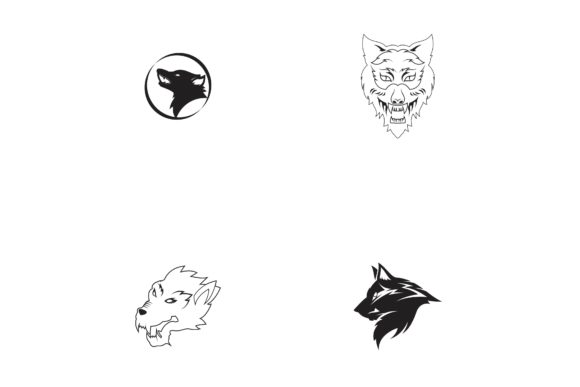
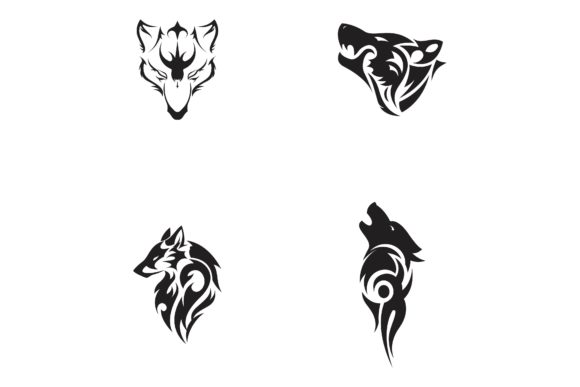
When we look at a wolf logo, we are rarely just seeing a realistic illustration of a wild animal. Instead, we are looking at a carefully curated set of visual elements designed to evoke emotion. The silhouette is often the starting point. A sharp, angular outline suggests aggression and speed, perfect for a sports team or a tech startup focused on "hunting" down market share. Conversely, a softer, more illustrative approach might be better suited for a pet grooming business or a children’s book brand.
The eyes are the soul of the design. Wolf eyes in graphic design are often stylized to convey intensity or wisdom. In many modern logos, the face is simplified into geometric shapes—triangles and polygons—to create a clean, abstract look that works well across digital platforms. This minimalist approach ensures the logo remains legible when scaled down for a social media profile picture or a mobile app icon. However, for a vintage tattoo style or a retro badge design, you might lean into intricate line work and shading to create a sense of tradition and history.
Strategic Applications Across Industries
The versatility of the wolf motif allows it to cross boundaries between very different industries. For a corporate brand, a stylized wolf head can symbolize leadership and the ability to navigate a competitive "jungle." It suggests that the company is a pack leader—strong, organized, and strategic. This is particularly effective in the finance, consulting, or real estate sectors where trust and authority are paramount.
In the realm of apparel and merchandise, the wolf design takes on a different life. Here, the graphic needs to be bold enough to stand out on a t-shirt or hoodie. High-contrast designs—such as a white wolf on a black background or a red silhouette on a grey garment—are popular because they are visually arresting. We often see these designs combined with typographic elements, perhaps a bold sans-serif font for the company name or a script font for a more artistic, spiritual feel. This fusion of text and image creates a complete brand identity rather than just a standalone graphic.
For the digital world, specifically in gaming and e-sports, the wolf is a top-tier choice. It represents the "wolf pack" mentality of team-based competition. These logos often feature aggressive angles, sharp teeth, and dynamic poses that suggest motion and conflict. A gaming team logo might utilize a more complex vector illustration with neon accents or fire elements to appeal to a younger, tech-savvy audience. The goal here is to look intimidating and professional, establishing a psychological edge before the match even begins.
Refining the Concept for Modern Audiences
One of the most common pitfalls in wolf logo design is overcrowding. Because the wolf is such a detailed creature, there is a temptation to include too much fur texture, too many background elements, or overly complex shading. However, the most effective modern logos tend to be the most reductive. By focusing on the essential shapes—the curve of the ear, the angle of the jaw, the intensity of the gaze—you create a mark that is memorable and scalable.
Color psychology plays a massive role in how the wolf is perceived. A blue wolf might be used for a technology or healthcare brand, suggesting calm intelligence and reliability. A red wolf logo screams danger, energy, and passion, making it suitable for sports or entertainment. Meanwhile, black and white designs offer a timeless, classic aesthetic that fits well with high-end fashion labels or minimalist web design. It is worth experimenting with different color palettes to see which best aligns with your specific brand voice.
Typography is the silent partner in any wolf logo. If the wolf graphic is aggressive and jagged, pairing it with a rounded, bubbly font will create a disconnect. Instead, look for typefaces that share the same DNA as your illustration. A strong, condensed sans-serif font works well for a modern, corporate look. For something with more character, a slab serif or a vintage display font can complement a retro-style wolf emblem, creating a cohesive visual story that feels grounded in a specific era or style.
Practical Tips for Implementation
Before finalizing a design, it is crucial to test it in real-world scenarios. How does the wolf logo look when embroidered on a polo shirt? Is the line work too thin to survive the stitching process? How does it render on a website header against a complex background image? These practical considerations often force designers to simplify their work, which usually results in a stronger, more versatile logo.
Consider the various "states" of the logo. You will likely need a primary version, a simplified icon version (just the head or eyes), and a monochrome version for single-color printing. A well-designed wolf vector should be flexible enough to accommodate all these variations without losing its core identity. If the logo only works in one specific color combination or size, it limits its utility as a branding tool.
Ultimately, the wolf is a symbol of freedom and instinct. Whether you are using it to represent a wild, outdoor brand or a sophisticated, urban enterprise, the key is to let that spirit shine through. By balancing artistic flair with strategic design principles, you can create a wolf logo that not only looks beautiful but also effectively communicates the values and vision of the brand it represents. It is about finding that perfect balance between the wild nature of the animal and the structured needs of the business.